Planning Your Own Private Abu Dhabi City Tour
Why a private tour changes the experience
Abu Dhabi is a city of contrasts: gleaming cultural landmarks sit alongside historic districts, and the pace of discovery is entirely up to you. A private abu dhabi city tour gives you the freedom to linger where something catches your eye, skip what does not interest you, and adjust the day as you go. The challenge lies in choosing the right itinerary and knowing what to look for at each stop so that the day feels curated, not chaotic. This article walks through the key decisions and practical checks that help you build a tour that matches your interests, your energy, and the time you have.
Whether you are visiting for a weekend or staying longer, the goal is to see the city on your terms. A well-planned private tour lets you avoid the rush of group schedules and the guesswork of public transport. Instead, you get a focused route that covers the highlights you care about most. The steps below guide you from the initial planning stage to the moment you step out of the vehicle at your first stop.
Step 1: Clarify what you want to see most
Before you look at any itinerary, sit down and list the places that genuinely excite you. Abu Dhabi has a mix of modern architecture, cultural sites, waterfront spaces, and shopping districts. The Sheikh Zayed Grand Mosque is a must for almost every visitor, but after that, preferences vary. Some people want to spend hours at the Louvre Abu Dhabi, while others prefer a quick walk through the galleries and then more time at Qasr Al Watan. The Corniche waterfront appeals to those who enjoy a relaxed stroll with skyline views, whereas Yas Island draws visitors looking for entertainment and dining options.
Once you have your shortlist, rank it by priority. This ranking will help you decide how much time to allocate to each location. A common mistake is trying to fit too many stops into a single day, leaving you rushed and tired. Instead, aim for three or four major sites with a couple of shorter stops in between. For example, you might start at the mosque in the morning, move to the Louvre for a few hours, have lunch near the Corniche, and then visit Qasr Al Watan in the late afternoon. That rhythm gives you variety without burnout.
Step 2: Choose a logical route and timing
Once you know your priorities, map them on a city plan. Abu Dhabi is spread out, so grouping sites that are geographically close saves time. The Corniche, Emirates Palace, and the Heritage Village are all near each other, making them a natural cluster. The Sheikh Zayed Grand Mosque sits a bit south, while Yas Island is to the east. A good private tour driver or planner will suggest a route that minimises backtracking. If you are organising the tour yourself, use a mapping app to check distances and traffic patterns, especially during rush hours.
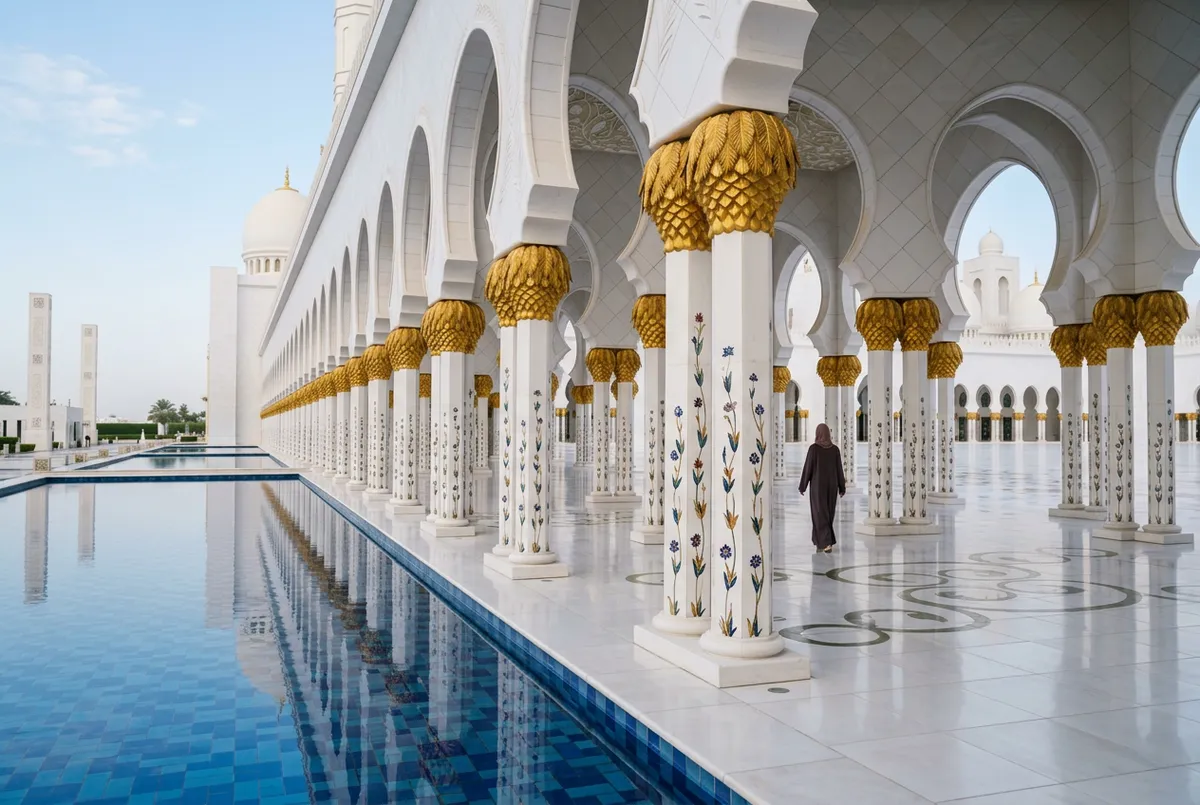
Timing also matters for the experience. The Grand Mosque is best visited in the early morning when the light is soft and the crowds are thinner. The Louvre Abu Dhabi opens at 10 am, so it works well as a mid-morning stop. Qasr Al Watan is impressive in the late afternoon when the sun casts warm light on the white stone. The Corniche is pleasant in the late afternoon or early evening, when the temperature drops. A private tour allows you to adjust the order of stops to match these natural rhythms, so communicate your preferences to whoever is arranging the transport.
Step 3: Decide on transport style and comfort level
A private tour means you control the vehicle, but the type of vehicle matters. A standard sedan works for two or three people, but a larger group will need a minibus or SUV. Consider how much time you will spend in the car. If you are moving between sites that are 20 to 30 minutes apart, comfort becomes more important. Air conditioning, enough legroom, and a clean interior are basic expectations. You do not need a luxury car, but you should feel comfortable for the duration of the tour.
If you are booking through a service such as abudhabicitytour.dreamlandadventuretourism.com, check what vehicle options they offer and whether the driver can provide commentary or simply drive. Some visitors prefer a quiet ride with music, while others enjoy hearing background stories about each location. Make this clear when you book so there are no surprises. Also confirm the pickup and drop-off locations. Most private tours include hotel pickup and return, but it is worth verifying the exact area covered to avoid extra fees.
Step 4: Plan for meals and breaks
A full day of sightseeing works best when you schedule a proper lunch and a couple of short breaks. Many sites have cafes or restaurants, but the quality and price vary. The Corniche area has a range of options, from casual beachside spots to more formal dining. Yas Island also offers many choices. If you prefer a specific cuisine or have dietary restrictions, research nearby restaurants before the tour. Your driver can usually drop you at a restaurant and pick you up later, but confirm that this is part of the service.
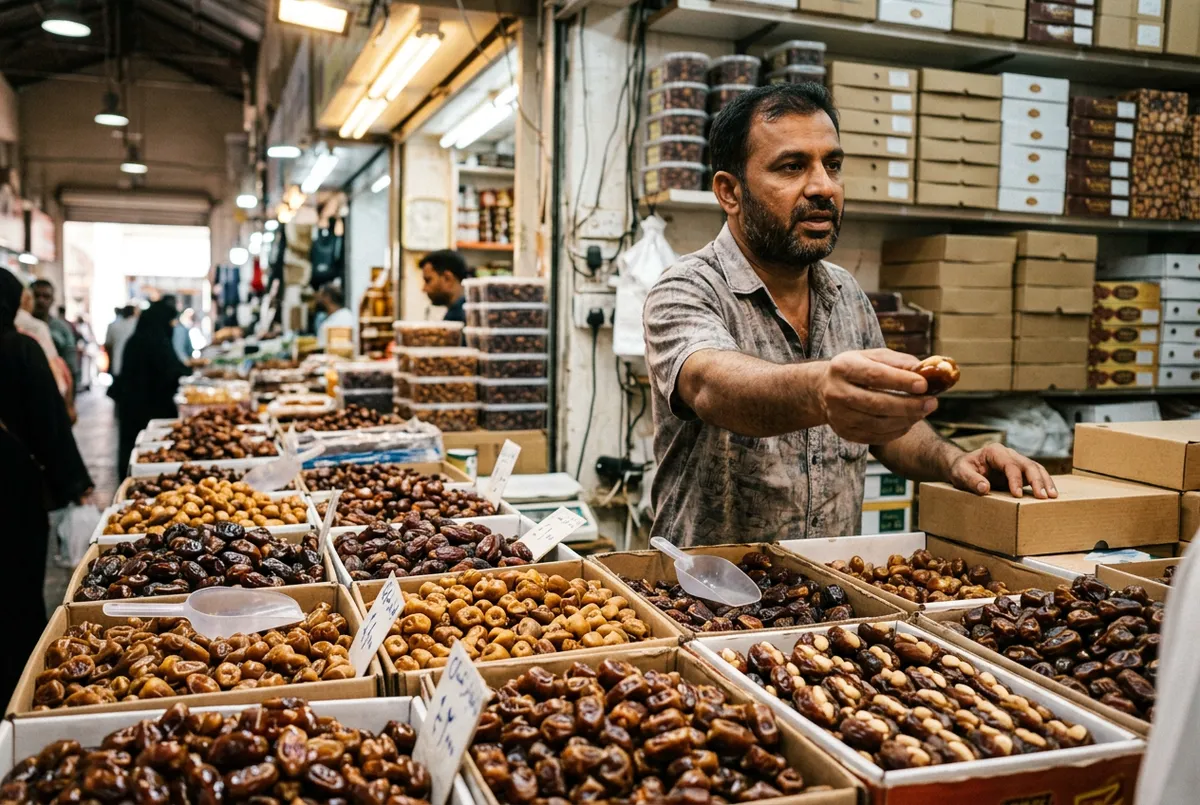
Breaks are not just for food. A 15-minute pause at a shaded bench or a quiet corner of a park can refresh you more than another cup of coffee. The Heritage Village has a small souk area where you can browse and rest. The Date Market is another good spot for a quick stop, especially if you want to buy local sweets or dried fruits. These short breaks prevent fatigue and keep the day enjoyable.
Step 5: Know what to look for at each major stop
Each site has details that reward attention. At the Sheikh Zayed Grand Mosque, notice the reflective pools, the intricate floral mosaics on the columns, and the world's largest hand-knotted carpet inside the main prayer hall. The light changes throughout the day, so the same space looks different in the morning versus late afternoon. The mosque also has a strict dress code, so bring a scarf or shawl to cover your head and wear loose-fitting clothing that covers arms and legs.

At the Louvre Abu Dhabi, the architecture itself is a highlight. The dome creates a "rain of light" effect as the sun filters through the geometric pattern. Inside, the galleries are arranged chronologically, so you can walk through human history from ancient artifacts to contemporary art. Spend at least a couple of hours here if you want to see the permanent collection properly. Temporary exhibitions often require extra time and a separate ticket.
Qasr Al Watan, the presidential palace, offers a glimpse into Emirati governance and culture. The main hall is vast, with a chandelier and a dome that are both impressive. The library and the gift shop are less crowded and worth a look. The Corniche is best enjoyed as a walk, not a drive. Park the car and walk along the waterfront for 20 to 30 minutes. You will see families, joggers, and the skyline from a different angle. The Heritage Village recreates a traditional oasis settlement, with workshops where artisans demonstrate pottery, weaving, and metalwork. It is a small site, so 45 minutes is enough.
Step 6: Budget for entry fees and extras
Most cultural sites charge an entry fee. The Louvre Abu Dhabi and Qasr Al Watan have ticket prices that are publicly available online. The Sheikh Zayed Grand Mosque is free, but you may need to reserve a time slot in advance, especially during peak seasons. The Heritage Village is also free. Yas Island attractions, such as Ferrari World or Warner Bros. World, have separate admission fees. If you plan to visit those, factor in the cost and the time needed. A private tour can often include pre-purchased tickets, which saves you queuing. Ask about this when you book.
Extra costs can include parking fees at some sites, tips for the driver, and meals. Having a small amount of local currency for small purchases is useful, though most places accept cards. If you are using a service like abudhabicitytour.dreamlandadventuretourism.com, confirm what is included in the package: entrance fees, parking, and driver gratuity are common points of confusion. A clear understanding upfront prevents awkward moments later.
Step 7: Communicate your preferences clearly
The success of a private tour often comes down to how well you communicate. Tell the tour provider or driver exactly what you want to see, at what pace, and whether you have any mobility concerns. If you want to spend an extra 20 minutes at a particular site, say so. If you prefer to skip a stop entirely, that is fine too. The flexibility is yours to use. A good driver or guide will adapt without complaint, but they need to know your wishes in advance.
Also mention any special occasions. If you are celebrating an anniversary or birthday, the driver might be able to suggest a scenic spot for a photo or a restaurant with a view. Small touches like that can turn a good tour into a memorable one. On the day, be ready to start on time. A private tour usually has a fixed duration, so delays early in the day can push back later stops. Being punctual helps you get the most out of the hours you have booked.
Step 8: Review the itinerary one last time
Before the tour begins, review the planned route and times with the driver. Confirm the order of stops, the expected duration at each one, and the estimated return time. This is also the moment to check that the vehicle has water, phone chargers, or anything else you requested. A quick checklist: tickets reserved, dress code items packed, comfortable shoes worn, and a fully charged phone for photos. With everything confirmed, you can relax and enjoy the day.
A private abu dhabi city tour is one of the best ways to experience the city, but only if the details are right. By following these steps, you set yourself up for a day that feels smooth, personal, and rewarding. The city has a lot to offer, and seeing it at your own pace is a luxury worth planning for.